
Electrical Safety Tips for Homeowners in Southern Maine


Understanding the Basics of Electrical Safety
Electrical safety is crucial for homeowners in Southern Maine. With a mix of older and newer homes, understanding basic electrical safety can prevent accidents and protect your home. Whether you're dealing with outdated wiring or modern electrical systems, awareness is key to maintaining a safe environment.
Inspect Your Electrical System Regularly
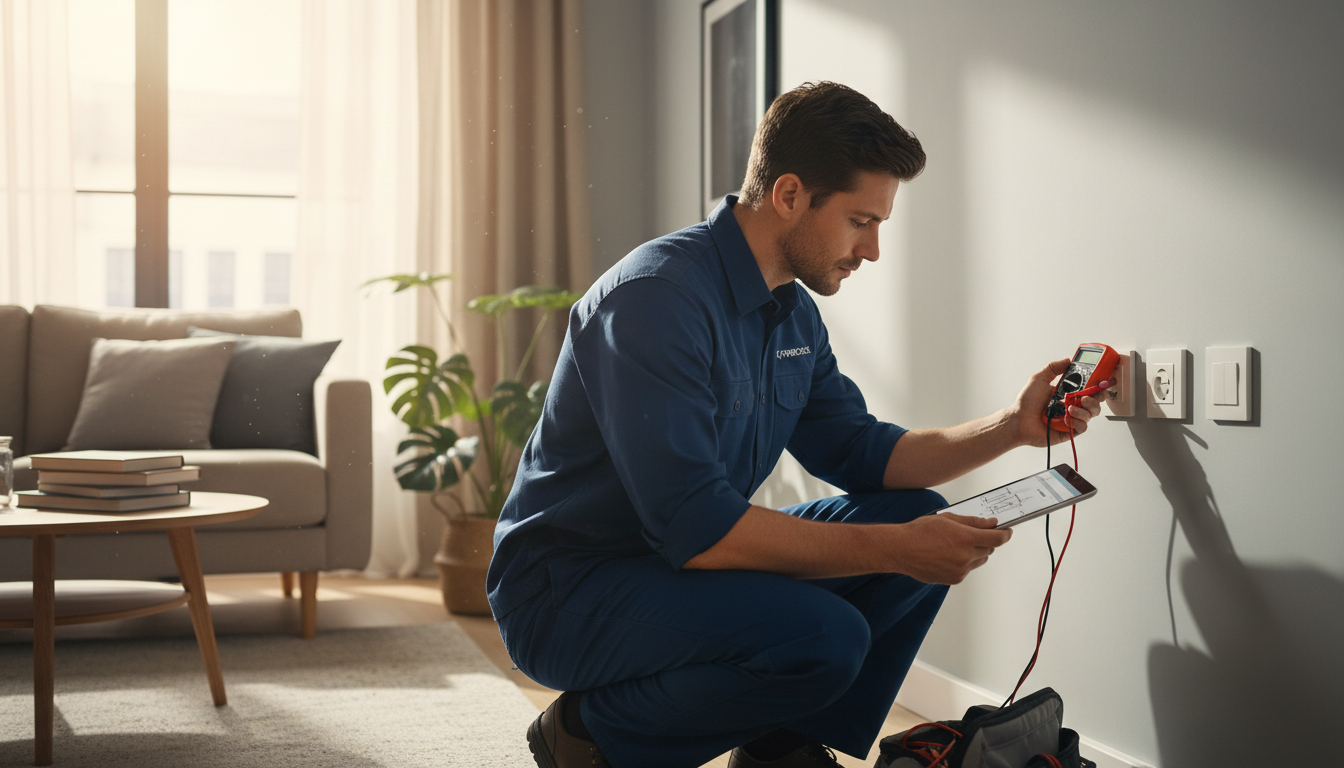
Regular inspections can identify potential hazards before they become serious issues. Look for signs of wear and tear, such as frayed wires or scorch marks around outlets. If you notice anything unusual, contact a licensed electrician to assess and address the problem promptly.
Be Cautious with Electrical Appliances
Appliances are a common source of electrical issues. Ensure that your appliances are in good working condition and are used according to the manufacturer's instructions. Avoid overloading outlets by using power strips with surge protectors. This simple step can prevent electrical fires and damage to your devices.
Preventing Electrical Overloads
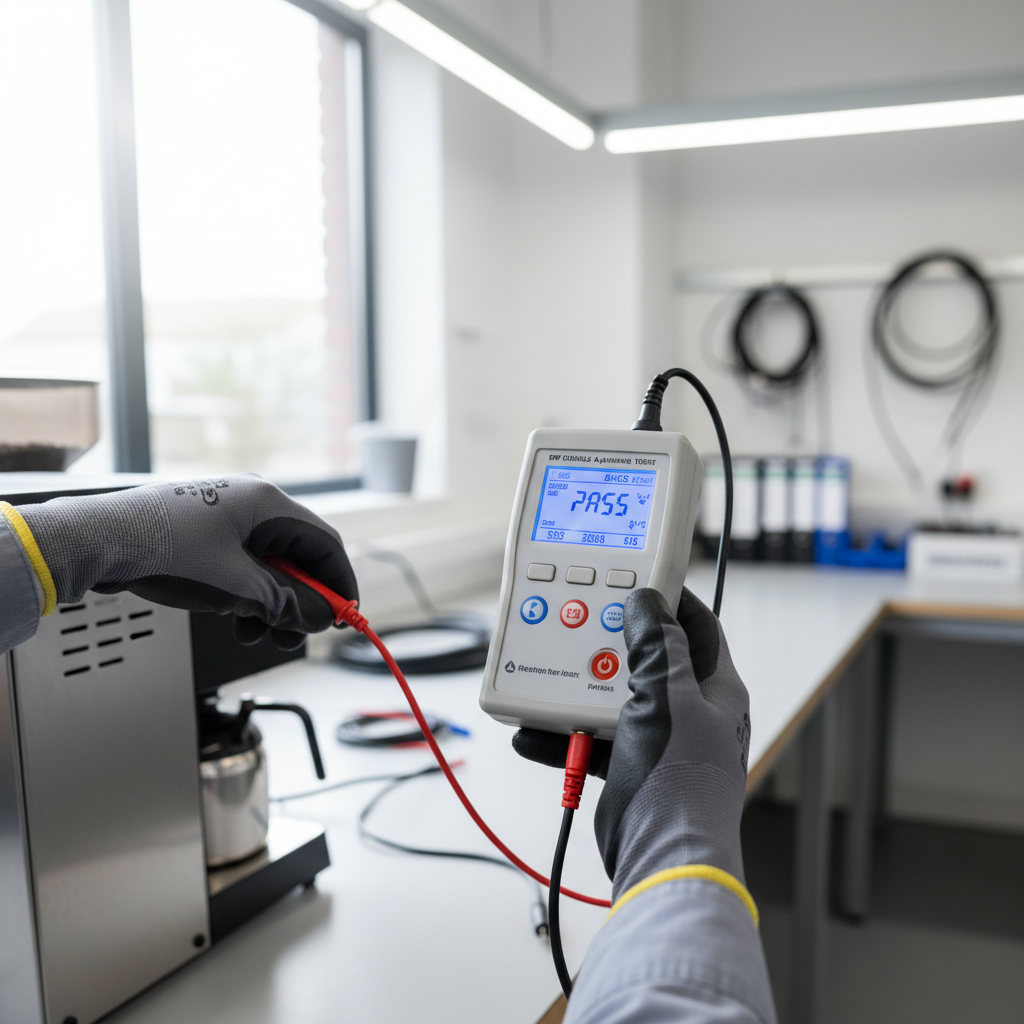
Overloading circuits is a common problem in households. It can lead to tripped breakers or even fires. To prevent this, distribute your electrical load evenly across different circuits. Unplug devices that are not in use, and consider upgrading your electrical panel if you frequently experience overloads.
Understanding Circuit Breakers
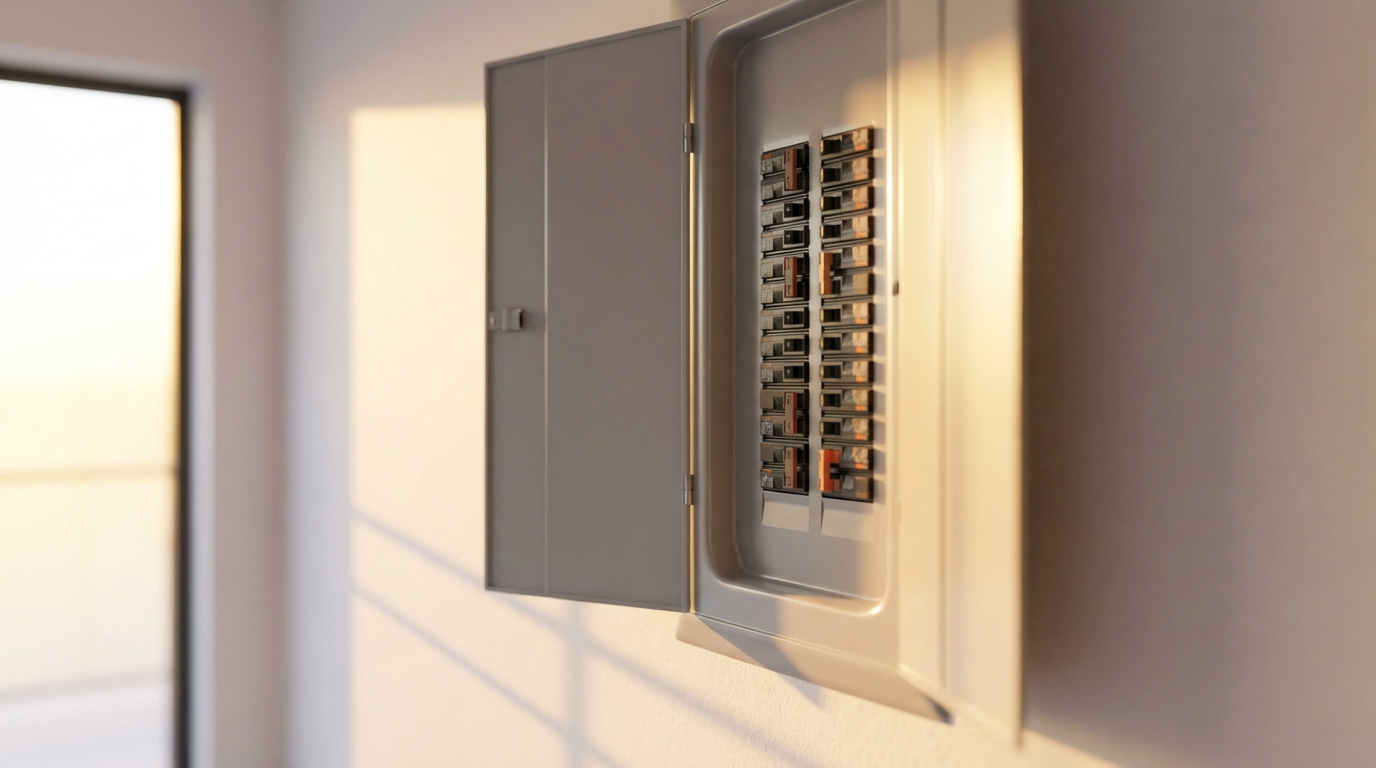
Circuit breakers are designed to protect your home by cutting off the power supply if the system becomes overloaded. Familiarize yourself with your home's electrical panel and know how to reset a tripped breaker safely. If a breaker trips frequently, it's a sign that you need a professional evaluation.
Outdoor Electrical Safety
Outdoor electrical safety is just as important as indoor safety. Ensure that all outdoor outlets are equipped with Ground Fault Circuit Interrupter (GFCI) protection to prevent shocks. Keep electrical equipment away from water and ensure that all outdoor lighting fixtures are weather-resistant.
Use Extension Cords Wisely
Extension cords are a temporary solution and should not be used as a permanent fix. When using extension cords outdoors, make sure they are rated for outdoor use. Never run cords through windows or doors, as this can damage the cord and pose a hazard.
When to Call a Professional
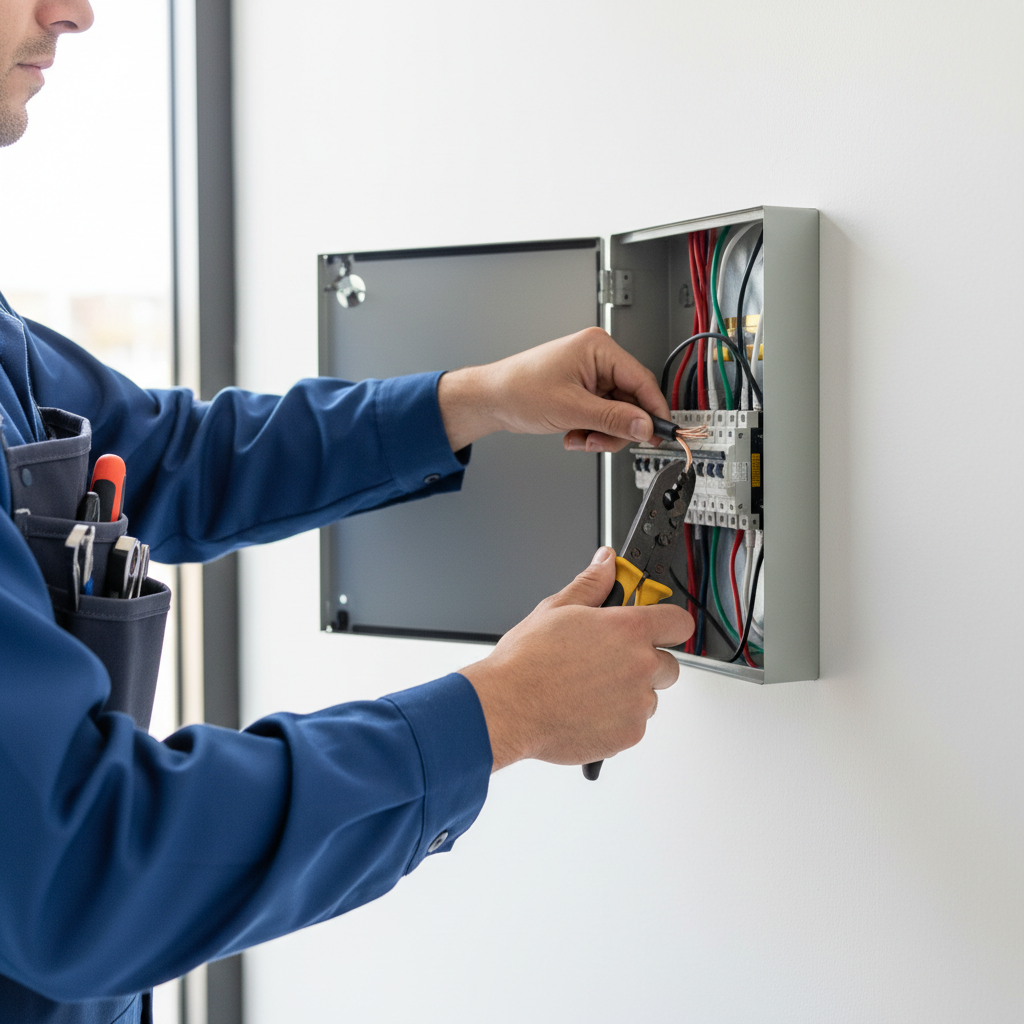
While some electrical tasks can be handled by homeowners, others require professional expertise. If you're installing new wiring, upgrading your electrical panel, or experiencing persistent electrical issues, it's time to call a licensed electrician. Professional assistance ensures that the work is done safely and up to code.
By following these electrical safety tips, homeowners in Southern Maine can protect their homes and families from potential hazards. Regular maintenance and awareness are the keys to a safe and efficient electrical system.